
Many suburbs throughout Chicago, including Warrenville, IL, have houses with outdated plumbing. Older plumbing materials were popular throughout the 20th century due to their relatively low cost and easy availability. But over the years, research and testing have shown these materials don’t hold up well over time. Let’s take a close look at these outdated pipe materials, how you know it’s time to upgrade and the most suitable replacement options.
Lead Pipes
Lead pipes were commonly used prior to the 1930s. They are very dangerous because the lead can leach into your drinking water. Many parts of Warrenville have replaced lead pipes with newer materials, but some older homes still use them.
Galvanized Steel Pipes
These pipes were mostly used in the 1930s–1960s. Although they perform better than lead, they still have a high risk of corrosion and rust. As the rust builds up, it narrows the inside of the pipes, leading to low pressure, discoloration and metallic-tasting water.
Polybutylene (PB) Pipes
Polybutylene, or PB, pipes were commonly used in homes built between the late 1970s and the mid-1990s. Many homeowners chose them because they were much cheaper compared to copper and PVC materials. But just like other early plastics, these gray or blue flexible pipes are very vulnerable to failing prematurely. This is partly because chlorine in city water degrades the PB, causing it to become brittle.
Cast Iron Drain Lines
Cast iron drain lines are found in many homes built between the 1900s and 1970s. They are durable and long-lasting but also prone to rusting, scaling and cracking. Corrosion inside the pipes is a major contributor to severe clogs and sewer odors.
Orangeburg (Fiber Conduit) Sewer Pipe
Fiber conduit, also called Orangeburg, was widely installed in homes constructed from the 1940s through the 1970s. The pros of this material include low cost, lightweight design and easy installation. However, because it is made of wood pulp and tar, it can deteriorate easily. Many pipes made of Orangeburg collapse under pressure when they soften or become saturated with moisture.
Copper with Lead-Based Solder
Copper with lead-based solder is a material frequently found in homes built between the 1960s and 1980s. The copper is durable, long-lasting and corrosion-resistant, but it’s also conductive (meaning it can carry electrical current if not properly grounded). Plus, older solder joints often have lead in them that can leach into drinking water.
Do You Need New Pipes? Top Warning Signs
If you live in an older home with outdated plumbing, you should regularly check (at least once a year) whether it’s time for an upgrade. Every day you put off necessary replacements, you increase the risk of leaks and water damage. Failing to do a lead or galvanized pipe replacement can even result in serious health hazards from contaminated drinking water.
Here are the top signs to watch for that indicate it’s time for a plumbing upgrade in Warrenville:
- Discolored or rusty water
- Low or inconsistent water pressure
- Frequent leaks and repairs
- Visible corrosion on pipes
- Unusual odors from faucets
- Clanging or noisy plumbing
- Slow drains or backups
Repiping Options
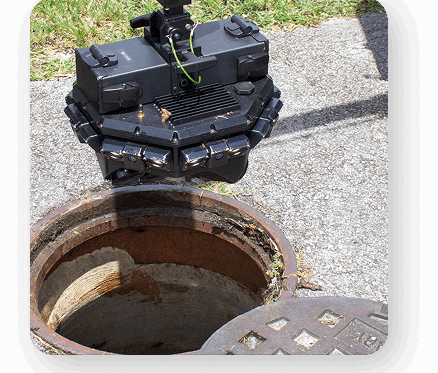
Upgrading your home’s plumbing is an excellent way to enjoy a leak-free home year-round. The right material will protect your health by preventing metal contamination and keeping your water supply clean. You have several replacement options to choose from. We’ll do a camera inspection to help you select the best material for your property.
Copper is a popular option because of its heat resistance and ability to prevent bacterial growth. It doesn’t corrode easily, which helps it last for up to 50 years or longer. We never install copper pipes with lead-based solder joints. Instead, we use lead-free solder or press-fit connections. You won’t have to worry about contamination or leaks.
PEX is another widely used material. It’s incredibly flexible, making it a great option for both hot and cold water lines. PEX is also resistant to freezing, which is extremely valuable during the harsh Illinois winters. Furthermore, the material is highly compatible with today’s lead-free systems, meaning you get safe water without the risk of contamination.
Journeymen Plumbing is the company to call when you need help with plumbing upgrades in Warrenville. We are very familiar with the area’s pipe and water infrastructure. We’ll do a thorough assessment to help you determine whether a pipe repair or replacement is necessary. Contact Journeymen Plumbing now to get your old pipes in Warrenville replaced by a skilled plumber.