
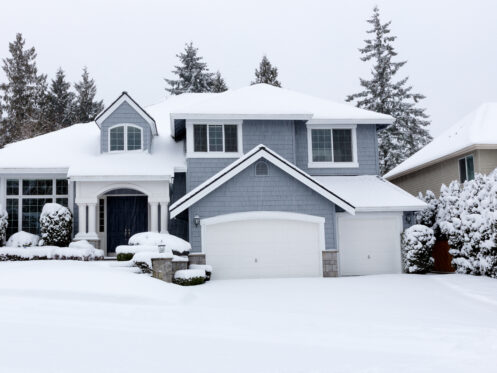
Winter snow does not disappear all at once. As temperatures rise and fall, snowpack melts in layers, sending water into the soil long before spring rain arrives. That slow release can overwhelm foundation drains, sump systems, and aging sewer connections, especially when the ground stays frozen near the surface. If water has nowhere to go, it looks for the lowest point, which is often your basement.
Why Winter Snowmelt Creates Basement Flooding Risks
Snowmelt behaves differently from rain. Instead of falling and draining quickly, melting snow releases water slowly while the ground below often stays frozen. That frozen layer blocks absorption, forcing meltwater to move sideways through soil. As that water spreads, it presses against foundation walls and finds its way in. Basement walls, window wells, and cracks are directly in that path. Even homes that stay dry during heavy rain can struggle during snowmelt. Drainage systems face constant pressure for days or weeks. This pressure is why basement flooding in Warrenville is a major concern for homeowners.
This problem worsens during repeated freeze and thaw cycles. Daytime temperature rises trigger melting, then nighttime drops refreeze surface layers. When soil around the foundation stays saturated, hydrostatic pressure builds. That pressure pushes water through tiny cracks and porous concrete. Floor drains and sump pits also receive more water than usual during this season, which raises the risk of backups if systems cannot keep up.
How Sump Pumps Get Overwhelmed During Thaw Cycles
Sump pumps act as the final defense against groundwater intrusion. During snowmelt, they may run far more frequently than normal. Constant cycling stresses motors, switches, and discharge lines. If discharge pipes freeze outside, water has nowhere to go and flows back toward the pit. That backup can cause the pump to short-cycle or shut down entirely.
Power disruptions add another challenge, as winter storms and thaw periods often overlap. Without backup power, a sump pump will stop when electricity fails. Even brief outages allow water levels to rise fast. Pumps that sit unused for long periods may also fail to start when needed. Switches can stick, floats can jam, and worn seals may leak. Snowmelt exposes these weaknesses quickly because water flow stays steady rather than intermittent. We recommend a yearly professional sump pump check in Warrenville before the melt season ramps up. This way, we can address issues that may lead to basement flooding. Additionally, we can add a battery backup system to ensure your sump pump works even when power fails.
Backed-Up Drains and Sewer Connections
Snowmelt flooding does not always come from groundwater pressing against the foundation. In some homes, the problem starts below the slab. As melting snow enters storm drains and municipal sewer systems, overall system capacity can drop. When household drain lines connect to stressed or aging sewer infrastructure, water may reverse direction. Basement floor drains sit at the lowest point in the home, which makes them especially vulnerable to backflow during periods of heavy snowmelt.
Older sewer laterals may contain roots, settled sections, or internal buildup that restricts flow. During snowmelt, those restrictions become choke points. Wastewater and stormwater meet resistance and seek the easiest exit. Basement drains and fixtures provide that path. Backups often occur without warning and leave behind contaminated water that damages flooring and walls. Preventing this type of flooding requires attention to both internal drains and external sewer connections.
The Role of Window Wells and Exterior Openings
Window wells and exterior openings create another pathway for snowmelt to enter basements. Throughout winter, window wells collect snow directly against the foundation. When thawing begins, that snow melts in place, sending water downward where frozen or compacted soil limits drainage. Without proper drainage around these openings, water pools against window frames and foundation joints, increasing the risk of seepage during extended melt periods.
Exterior stairwells and entry points face similar risks. Melting snow flows toward these low areas and accumulates quickly. Ice buildup near foundations can redirect water toward the walls rather than away from them. Once water reaches siding seams or foundation joints, it travels downward and enters basement spaces. These openings often go unnoticed during winter inspections because snow masks drainage problems until the thaw begins.
Preparing for Snowmelt Season
Snowmelt flooding often starts with small issues that go unnoticed during colder months, such as slow drains and clogged sump discharge lines. Spring plumbing prep can prevent water from backing up into your basement. At Journeymen Plumbing, our plumbing solutions in Warrenville, IL help prevent indoor water damage. Schedule an inspection with Journeymen Plumbing today.